
Choosing the Right Sewer Camera Tools for Your Property
- David M
- Jul 6
- 4 min read

When it comes to maintaining your property’s plumbing, having the right tools can make all the difference. One of the most valuable tools for diagnosing and fixing sewer problems is a sewer inspection camera. These cameras let you see inside your pipes without digging up your yard or tearing down walls. If you’re wondering how to choose the best sewer camera tools for your needs, you’re in the right place. I’ll walk you through everything you need to know in simple, clear terms.
Why Sewer Camera Tools Are Essential
Sewer camera tools have changed the way we handle plumbing issues. Instead of guessing where a clog or break might be, you can actually see inside the pipes. This saves time, money, and a lot of frustration. Whether you’re a homeowner or run a business, knowing what’s going on underground or behind your walls helps you make smart decisions.
Here’s why these tools are so important:
Accurate diagnosis: Spot the exact problem without guesswork.
Save money: Avoid unnecessary digging or pipe replacement.
Prevent damage: Catch issues early before they get worse.
Document conditions: Keep records for insurance or future repairs.
Using sewer camera tools means you get a clear picture of your plumbing’s health. This is especially helpful in areas with older pipes or tricky layouts.

What to Look for in Sewer Camera Tools
Choosing the right sewer camera tools can feel overwhelming with so many options out there. But if you focus on a few key features, you’ll find the perfect fit for your property.
1. Camera Quality
The camera’s image quality is crucial. You want a clear, sharp picture to spot cracks, blockages, or corrosion. Look for cameras with:
High resolution (at least 640x480 pixels)
Good lighting (LED lights around the camera head)
Waterproof and durable design
2. Cable Length and Flexibility
The cable connects the camera to the monitor and lets you reach deep into pipes. Consider:
Length: Longer cables (50-100 feet) are better for bigger properties.
Flexibility: The cable should bend easily but not tangle.
Thickness: Thinner cables fit into smaller pipes but may be less durable.
3. Monitor and Recording Features
A good monitor lets you see the live feed clearly. Some cameras come with:
LCD screens with adjustable brightness
Recording options (video and photos)
Playback features for reviewing footage
Recording is handy if you want to show a plumber or keep a record of your pipes’ condition.
4. Power Source
Check how the camera powers up. Options include:
Rechargeable batteries (portable and convenient)
Plug-in power (continuous use but less portable)
Choose what fits your typical use. For occasional checks, batteries work well. For professional or frequent use, plug-in might be better.
5. Pipe Size Compatibility
Make sure the camera fits the pipes you want to inspect. Some cameras are designed for larger sewer lines, while others work best in smaller drains.
6. Ease of Use
You don’t want to struggle with complicated controls. Look for:
Simple setup
Intuitive controls
Lightweight design
If you’re new to sewer cameras, a user-friendly model will save you time and headaches.
How to Use Sewer Camera Tools Effectively
Once you have your sewer camera tools, using them correctly is key to getting the best results. Here’s a step-by-step guide:
Prepare the area: Clear any obstacles near the access point to your sewer or drain.
Insert the camera: Slowly feed the camera into the pipe. Don’t force it if you hit resistance.
Watch the monitor: Keep an eye on the screen as the camera moves through the pipe.
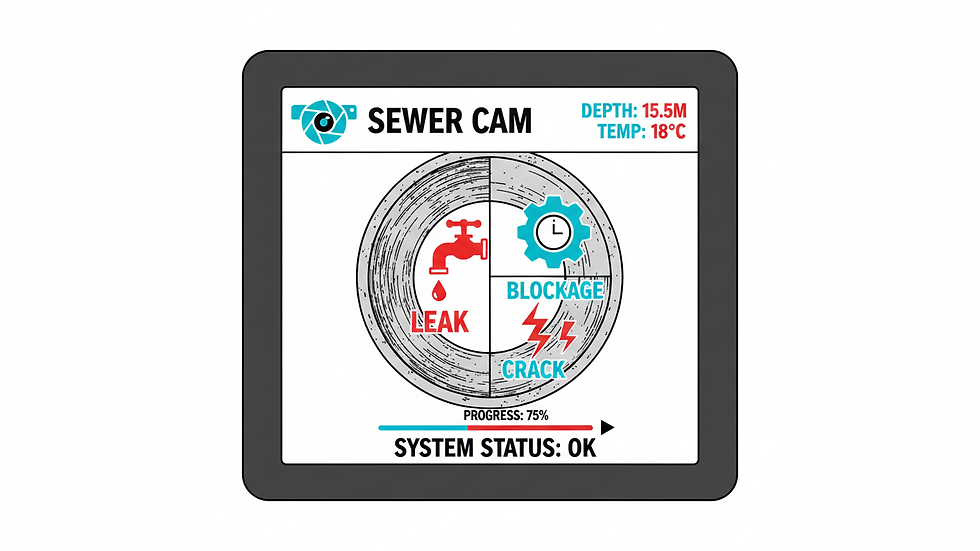
Look for issues: Spot cracks, blockages, roots, or buildup.
Record important sections: Save video or photos of problem areas.
Withdraw the camera carefully: Avoid damaging the cable or camera head.
If you find a problem, you can decide whether it’s a DIY fix or if you need professional help.
Where to Find a Sewer Inspection Camera for Sale
If you’re ready to buy, you might be wondering where to find a reliable sewer inspection camera for sale. Many hardware stores and online retailers offer a range of options. However, it’s important to choose a camera that fits your specific needs and budget.
I recommend checking out local suppliers or trusted online stores that specialize in plumbing tools. This way, you can get advice tailored to your area’s plumbing conditions and have support if you need it.
For example, you can explore options for a sewer inspection camera for sale that come with warranties and customer support. This ensures you’re investing in a quality product that will last.
Tips for Maintaining Your Sewer Camera Tools
Taking care of your sewer camera tools will keep them working well for years. Here are some simple maintenance tips:
Clean the camera head after each use to remove debris.
Check the cable for any signs of wear or damage.
Store the camera and cable properly in a dry, cool place.
Charge batteries regularly if your camera uses rechargeable power.
Test the camera before each use to make sure it’s working.
Regular maintenance helps avoid surprises and keeps your inspections smooth.
Getting Professional Help When Needed
While sewer camera tools are great for DIY inspections, some problems require professional expertise. If you spot major damage, persistent blockages, or anything you’re unsure about, don’t hesitate to call a trusted plumber.
Professionals have advanced equipment and experience to handle tough jobs safely and efficiently. Plus, they can provide repairs that last, saving you from costly future issues.
Choosing the right sewer camera tools is a smart step toward protecting your property’s plumbing. With the right camera, you can spot problems early, save money, and avoid unnecessary repairs. Whether you’re inspecting your home or business pipes, these tools give you peace of mind and control.
If you want to explore options or need advice on the best sewer camera tools for your property, feel free to reach out. Taking care of your plumbing today means fewer headaches tomorrow.


Comments